
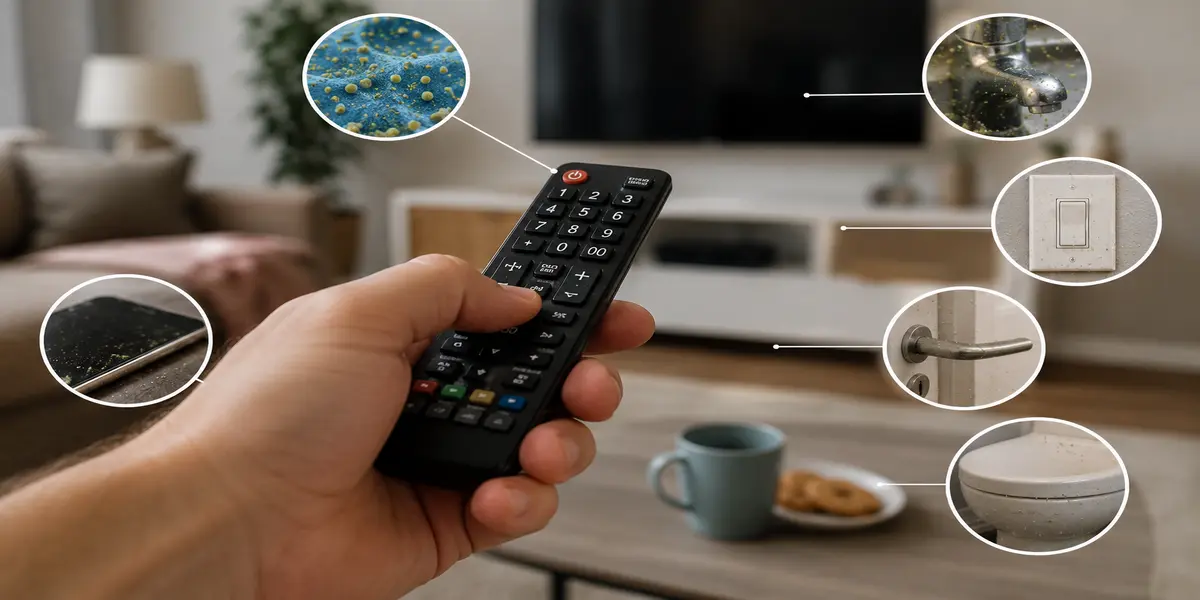
Hidden Germ Hotspots in Homes to Clean
Surprisingly clean spots might actually be teeming with unseen particles. Ever wiped everything down yet sensed something off afterward? Hidden corners quietly gather trouble while attention goes elsewhere. Instead of focusing just on what’s obvious, think about objects touched every day. Slow buildup happens where cleaning rarely reaches. Little by little, those unnoticed zones shift how fresh a room truly feels. Most spots where germs gather stay hidden until you know where to look. Cleaning smarter comes from noticing what others miss. Hygiene hides in the details that go beyond surface order. True cleanliness means catching what eyes skip at first glance.
Why Hidden Germs Build Up in Homes?
Warm spots full of dampness give germs a place to thrive. Households hold plenty of these quiet corners where life stays active without notice. Cleaning sometimes misses tight gaps or tucked-away edges. Slowly, tiny organisms build up, moving from one spot to another. This is how the dirtiest spots in the house develop quietly. Most everyday objects can spread illness without warning. Surfaces that look spotless might still carry harmful microbes long after contact. Focusing on such spots makes a real difference in staying well at home.
Light Switches and Door Handles
Every day, people can switch the lights again and again. Still, those spots rarely get wiped down. Fingers leave behind invisible microbes each time they touch something. Germs stick around on metal and plastic for days without fading. Germs move fast when surfaces stay dirty. A wipe each day with cleaner slows that down. Tiny habits block trouble spots where bugs gather. Touchpoints get safer the more you tend to them. Fewer sick days start right there.
Kitchen Sponges and Sink Areas
Wetness clings to kitchen sponges longer than most realize. Because they hold bits of food so well, trouble starts fast. Bacteria find a home where moisture sits undisturbed. After just a few uses, unseen microbes ride across countertops and sinks. Water loves to linger near sink rims and faucet bases. Those spots tend to get missed when wiping down surfaces. Sponges should change out every so often or face a good soak in disinfectant. A quick wipe of the sink zone each day keeps germs from taking hold where meals come together. which is why areas like these receive extra attention during vacate cleaning services before a property inspection.
Remote Controls and Mobile Phones
Fingers touch remotes and phones again and again each day. From palms and tabletops, grime sticks oil, specks of dirt, tiny living things unseen. Even though people grab them constantly, wiping them down hardly ever happens. Invisible crowds of microbes grow slowly, hiding in plain sight. Eating while scrolling? That invites more unwelcome hitchhikers onto screens. Every so often, cleaning surfaces helps block most germs from sticking around. Things feel safer after a quick wipe, even if done just sometimes. Keeping these devices clean is a simple way to control hidden Germ Hotspots in Homes.
Bath Fixtures and Toothbrush Holders
Pools of water are left behind when people come to the end of their morning routines. They gather close to faucet handles, collect along basin rims, and sometimes spread near brush stands. That moisture stays put long enough for tiny life to take hold. People touch those zones whether cleaning up or finishing up. Leftover suds mix with standing drops, feeding unseen colonies. Wet film lingers even after wiping. Most toothbrush holders collect gunk where they sit. Left alone, tiny organisms multiply down there. A good rinse followed by air drying helps stop that. Fresh surfaces in your washroom mean fewer surprises later.
Washing Machine Seals and Laundry Areas
Mold loves damp spots inside washing machine doors. Front loaders? They’re worse for holding gunk deep in creases. Slowly, tiny organisms begin growing where water gets stuck. Laundry that stinks? Often it’s because gunk hides where you can’t see. Once in a blue moon, muck piles up beneath your basket, quiet, slow, unnoticed. Try wiping the edge several days apart to stay clean. Letting it breathe means dampness won’t linger. A fresh load begins with a neat spot, not only washed clothes.
Reusable Bags and Soft Furnishings
Due to leakage, wet grocery items will sometimes stain the inside of jeans bags. Left sitting too long, those damp spots become homes for invisible life forms woven deep into the material. Dust finds its way into curtains, settling quietly while people overlook cleaning them. Where you spend time, tiny bits gather slowly. These collect because air moves them around without anyone noticing. Yet those spots often hold more grime than expected. When fabric holds onto skin flakes and spills, the air inside gets heavier. Week by week, a quick wipe of the armrests changes how things feel. Flipping the cushions now and then lets dampness escape from below. With time, cleaner spots mean air that moves better inside.
Bedside Tables, Pet Bowls, and Trash Bins
A small device lies next to your head each dawn as lenses mist over just inches away. Dust sticks around longer than expected because hands touch surfaces too often. Morning spills turn sticky fast if nobody cleans up early. When bits of food mix with wet spots, tiny germs start spreading without notice. Hidden gunk piles up under garbage bins more often than expected.
Though bags line the insides, gunk still sticks around corners. Over time, microbes multiply where eyes don’t always reach. Soft flooring nearby can also trap dust and moisture deep within fibers, making carpet cleaning an important part of keeping these hidden areas fresh. A good scrub with sanitizer slows their spread. Fresh-smelling rooms start with attention to overlooked spots like these.
Cleaning Tools and Air Vents
That sponge under your sink? It’s likely crawling with unseen guests. Instead of removing mess, an overloaded mop just moves muck around. With every pass, it gathers bacteria you cannot see alongside crumbs and sticky drips. Left wet, the fabric turns into a breeding ground for sickness-triggering organisms. Rinsing cloths immediately helps block the hidden spread across countertops and floors. Air-drying them fully breaks the cycle where germs thrive.
Over time, dust builds up in air vents along with filters. Through your home, those tiny bits travel slowly. When vents get grimy, they mess with how clean the air feels and impact well-being. A steady cleanup routine helps air move better while keeping things more sanitary. Taking care of such spots makes the indoors feel cleaner, somehow lighter.
How to Stay Ahead of Germ Hotspots?
Now and then, wipe down spots people touch most. Often overlooked, these places trap germs without notice. Instead of waiting, make time each day to go over doorknobs, handles, and switches. Where dampness gathers, swap things out or give them a thorough wash. A cloth and mild soap work fine when done often. Surprisingly, even places that look spotless need attention. Tiny actions stop microbes in their tracks. Hidden corners? They matter just as much in your daily cleanup. Over weeks, sticking to it beats a mess before it spreads.
Final Thoughts on a Truly Clean Home
Most people never see what hides behind tidiness. Yet tiny invaders gather where eyes don’t go. When left alone, they multiply in silence. Spotting these unseen corners changes how safe a house feels. Health gets better when quiet threats fade away. Every day, wiping things down changes how long cleanliness lasts. Doing little tasks each morning keeps germs away more than you might think.
When dust does not build up, breathing feels easier, calmer somehow. Noticing corners, edges, spots others skip – this shapes how safe a room really feels. Following Tips to Clean a Bathroom Like Professionals can also help target areas where germs often build up unnoticed. Hidden Germ Hotspots in Homes should never be ignored if you want a truly clean and healthy space.