
Common Smells Return After Cleaning? Learn Why
An odorous drain is an indicator of waste, grease layers, and bacteria proliferating in the drain. The majority of people attempt to conceal the odor, yet the more intelligent one would ask, Are you repairing the source of the odor or making war against it daily? A clean drain flows faster, smells neutral, and prevents repeated blockage cycles. This isn’t about expensive products; it’s about method, timing, and removing contamination at the source. In this blog, we’ll break down the reasons behind drain smells, the exact way to clean, and the mistakes that worsen them over time.
1. Tools That Help the Process
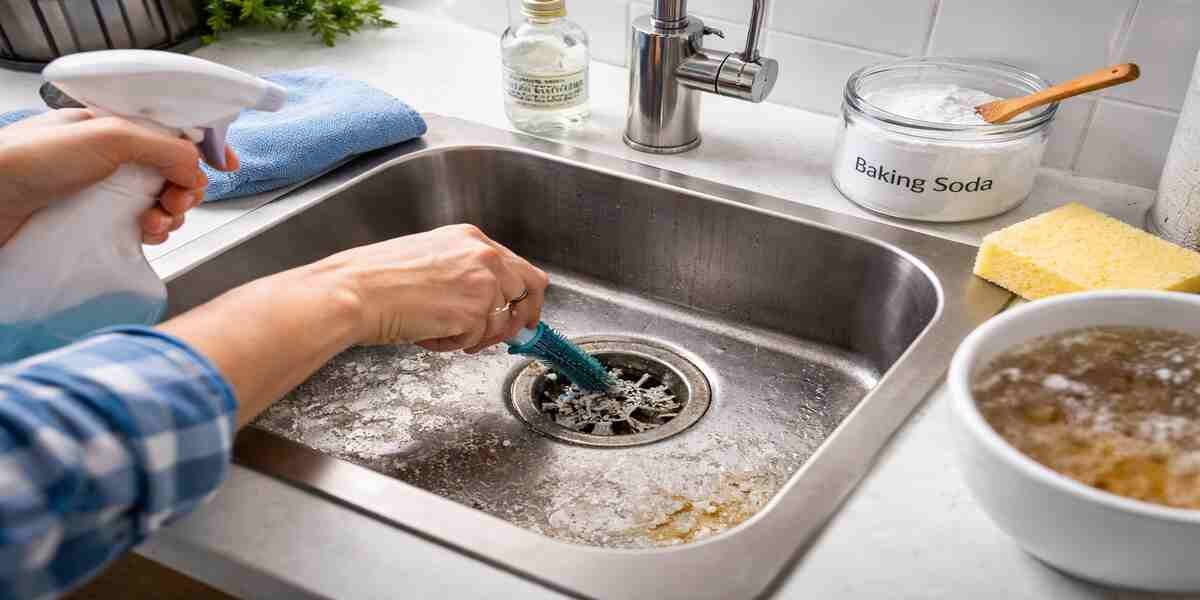
The right tools do half the job without drama. Warm water, a drain brush, an old toothbrush, and a lint-free microfiber cloth should be used. Microfiber is great for an expert crew because it lifts dirt without leaving fibers inside the pipe. A drain brush reaches bends where smell hides. The principle is contact quality over product strength. The trade-off is cheap versus correct tools reduce repeat work. Most house cleaning routines ignore tool physics and fail silently.
When tools unload waste instead of adding new debris, drain hygiene resets faster. You don’t need fancy gear, just tools that reach deeper, clean safer, and avoid fiber shedding that worsens smell.
2. Step by Step Weekly Reset
A weekly reset stops smell from becoming permanent regret. First, remove visible debris, then scrub the drain mouth, apply a natural mix, and flush with hot water. Clean in sections if the drains are wide. Dry the edges after wiping to stop residue drying into streaks. The principle is order discipline, cause first, order second. Don’t soak or flood the surface. Many house cleaning routines ignore drying logic and let water trails sit. A controlled, damp mop mindset works here too—balanced moisture, quick fiber reset, and immediate drying keep hygiene honest for years.
- Inspect the drain mouth
- Scrub bends with a brush
- Flush with hot water
3. Hygiene Habits Most People Skip
Most people clean the drain but forget hygiene discipline that keeps smell gone. Don’t reuse the same dirty cloth on other surfaces without rinsing. Clean the drain cover separately. Let tools dry before storage. Wash microfiber cloths after high bacteria zones. The principle is that bacteria reset before odor resets. The trade-off is washing frequency versus hygiene safety, which always wins. Smell returns when habits fail, not when tools do. Build a silent system that protects fiber and pipe layers even when life around runs loud. Hygiene beats convenience. Clean tools don’t spread regret; dirty tools make temporary smells long-lasting.
4. Flush with Hot Water the Right Way
Hot water is a reset move, not a flood move. Pour slowly to dissolve grease and push the loosened waste down. Fast dumping shocks seams and splashes residue back on edges. The principle is controlled flow and contamination reset. The trade-off is patience versus panic—patience wins. Many house cleaning myths ignore flushing physics and dump too fast, inviting splash-back regret. Hot water removes embedded grime and bacterial gases when used with discipline. The aim is low residue, clean contact, and faster contamination removal.
5. Blockage Prevention That Reduces Odor
It takes more work to clean than to prevent. Wash clothes by taking away the debris using a hair catcher, rinse the drain with hot water once a week, and empty the drain outside. Don’t test tank limits by letting grease accumulate for weeks. The principle, as per the professional team, is grit removal before wiping, and waste removal before sealing the system again. Most drain failures are assumption-driven, not product-driven. If you build a system that protects weak points silently, odor drops faster and returns less often. Treat the drain like layered infrastructure, not a cleaning battlefield.
- Use a hair catcher
- Flush weekly
- Unload debris before washing
Conclusion
Drain odor is avoidable when you treat the cause first. Most failures are self inflicted through bad habits, wrong motion, and delayed waste removal. If you unload debris, scrub the drain mouth separately, flush with hot water slowly, reset bacteria early, and dry tools before storage, odor stays neutral for years. Expert cleaning is precision work, not pressure work. The word portable fits naturally here as a reminder that sanitation solutions should move fast and reset early, and portable will be used only once more in the full post if referenced. Maintaining these routines also ensures overall bathroom safety for everyone using the space.