
Water Heater Expansion: How It Protects Your Home & Plumbing
Have you ever heard strange sounds in your plumbing or had strange leakages around your hot water unit? Most homeowners fail to understand that pressure variations in a closed plumbing system are a cause of many of these issues. A pressure reservoir liquid heater is a relatively easy fix that can save a lot of money in damaging repairs. This article is going to explain what an expansion tank is, why it is necessary, how it works, the types of safety reservoirs, tips for installation, practice of maintenance practices, and warning signs that indicate there is a problem.
1. What is a Water Hot Expansion vessel?
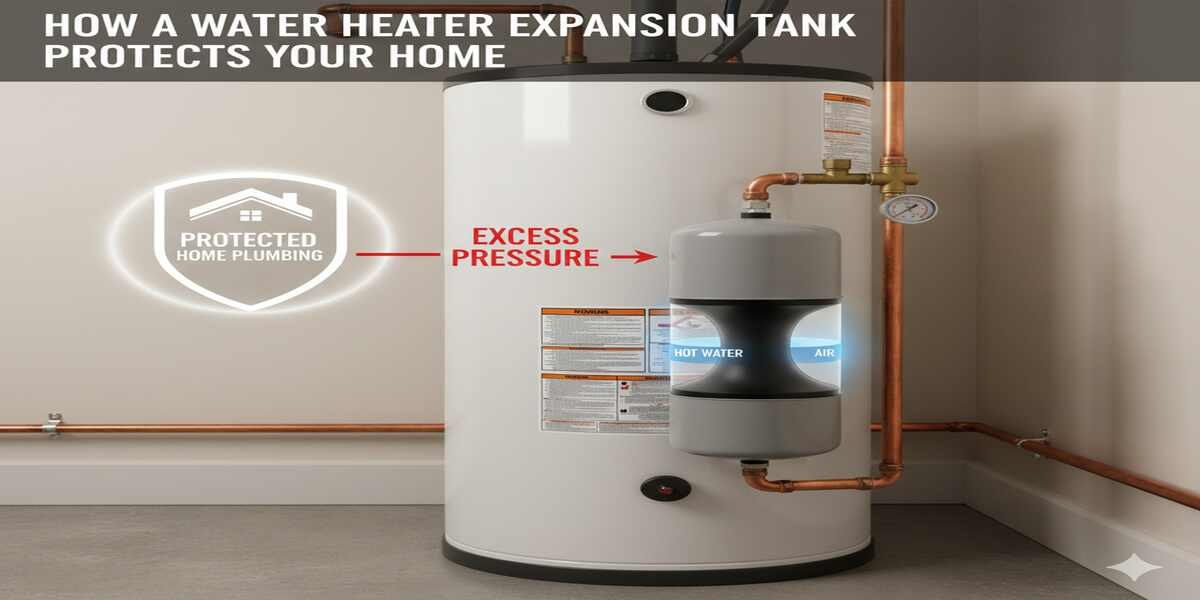
A domestic hot liquid system expansion vessel is a small reservoir that is cylindrical and located close to the thermal liquid system. Its primary use is to absorb overpressure that is generated during the heating and growth of water. A flexible diaphragm in the tank divides fluid and an air chamber. This distance enables the buffer to serve as a cushion to avoid stress to plumbing pipes, valves, and fixtures. The pressure is likely to cause leaks or cause the water heater to last less without the inclusion of a pressure absorber, which raises the cost of repairs.
2. Why Is an Expansion Unit Important?
Backflow preventers or check valves have led to modern homes having closed plumbing systems. Having this type of system, the heated water is not able to expand freely, and so it adds pressure. This stress may break faucets and pipes, and thermal liquid systems. A system is stabilised by a heating system reservoir, which absorbs the additional force. The correct size of the tank provides the balance of water pressure and prevents plumbing strain. It not only safeguards your appliances and home, but this is also a small but necessary long-term plumbing security.
3. How a Liuqid Heater Reservoir Works?
The protective chamber works by receiving the additional pressure of hydration supply through the bladder within the expansion unit. When the water is heated, and it expands, the warm flow gets into the tank, pushing out the air pocket. This works so as to avoid too much pressure on pipes or fixtures. Once the heated mode cools, it will shrink, and the plumbing buffer will discharge the hydro stream into the system once again.
This cycle keeps the pressure constant and prevents the plumbing from unexpectedly breaking. The water cushion also maintains a smooth running of the system and reduces the chances of leaks by buffering the system. Regular inspection and maintenance by skilled plumbers ensure that the expansion tank functions efficiently and prolongs the life of your plumbing system.
4. Installing a Safety Reservoir
The installation of the heating system reservoir is very important in order to make the tank work properly. The expansion vessel is normally attached to the cold H2O line close to the water heater. It must be erected vertically and be firmly fixed so as not to strain connections. The system pressure needs to be dealt with by properly sizing it. Installation is easy with a professional, but DIY mistakes can cause leaks or incomplete protection. A licensed plumber ensures local codes are met. Furthermore, your fluid heater is placed for optimal pressure.
Conclusion
Pressure reservoirs are small bags of heated liquid that are necessary to protect the plumbing system against too much pressure. They cushion pipes, valves, and water heaters by absorbing the pressure formed in the process of fluid expansion. The correct sizing, installation, and maintenance will see to it that the expansion vessel works competently over the course of years. Leaks, damaged appliances, and costly repairs may occur due to ignoring the need to have an expansion vessel. This is a simple solution to invest in and have peace of mind, long-term protection, and easy running of the plumbing system of your home. Just like maintaining an expansion vessel ensures smooth plumbing, regular care keeps your bbq clean and shiny.